Learn about monarda, a beautiful flowering perennial with several native species and many hybrids for your garden.
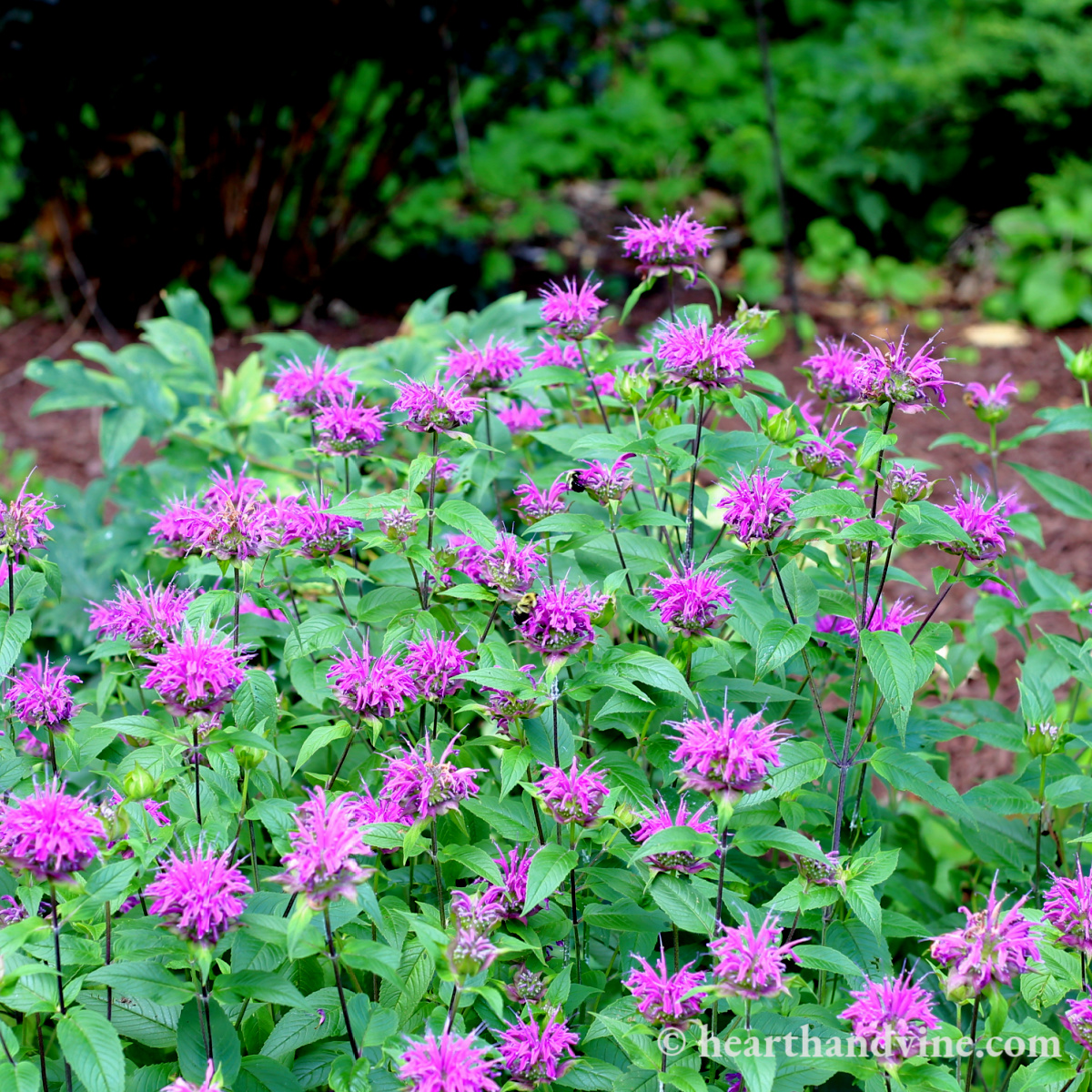
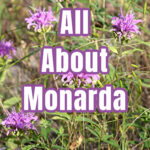
Monarda is a native North American perennial from the mint family Lamiaceae. It has many nicknames, the most popular being Bee Balm or Beebalm. If you look closely at the image above, you can see that the bees do love it as well as butterflies, hummingbirds, and other pollinating insects. I thought that was why it was called Bee Balm. However, I later learned that the plant contains a resin that is used to make a healing balm for bee stings.
Another nickname, Bergamot, comes from the fact that the leaves smell just like Earl Grey Tea, which is actually scented with oil from the Bergamot orange.
This pretty perennial will produce swaths of colorful tubular flowers throughout the summer in a nice clump that grows about 2-3 ft tall. It spreads by shallow underground runners, making it easy to remove or move to another location.
More Favorite Perennials: Catmint..... Coneflower.....Hardy Geraniums.....Lungwort
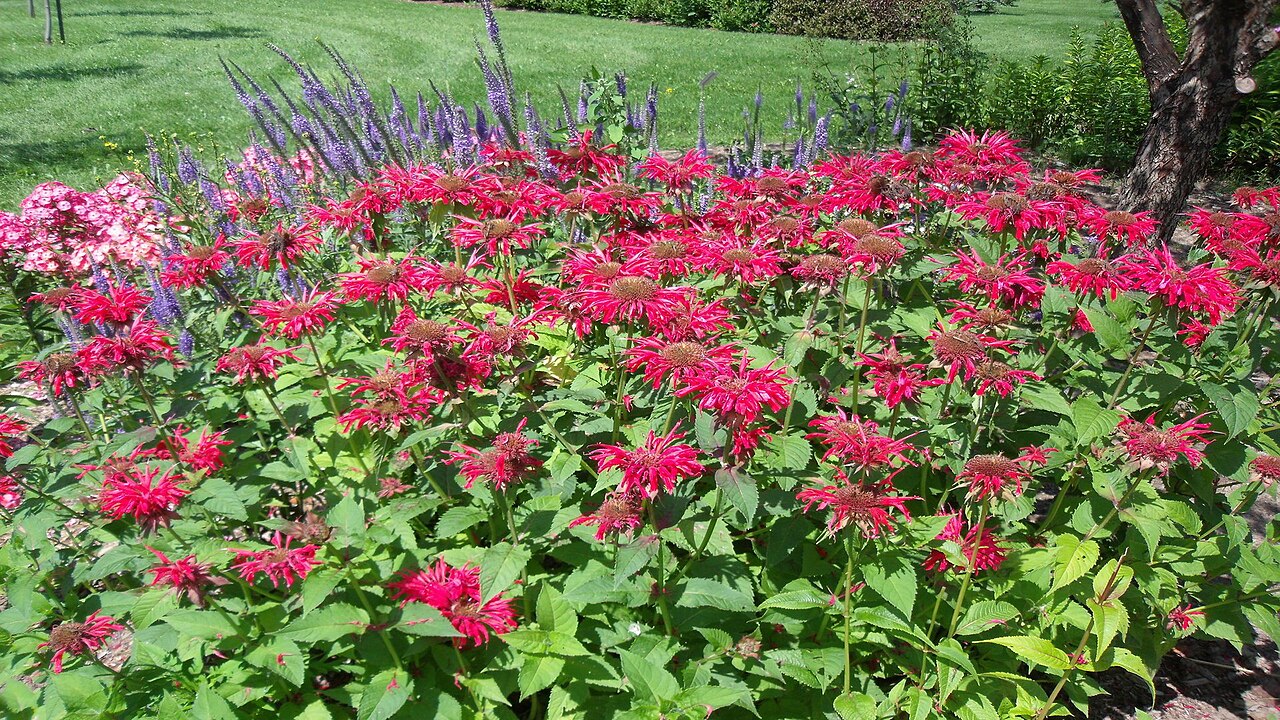
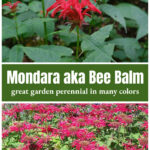
Monarda didyma is native to the eastern parts of the US and Eastern Canada. The blooms are red, though many hybrids have been created from it. In fact, most of the bee balm plants you find at nurseries were probably started from this one and Monarda fistulosa shown below. The Native Americans of the Oswego tribe were known to make tea from this plant called Oswego tea.
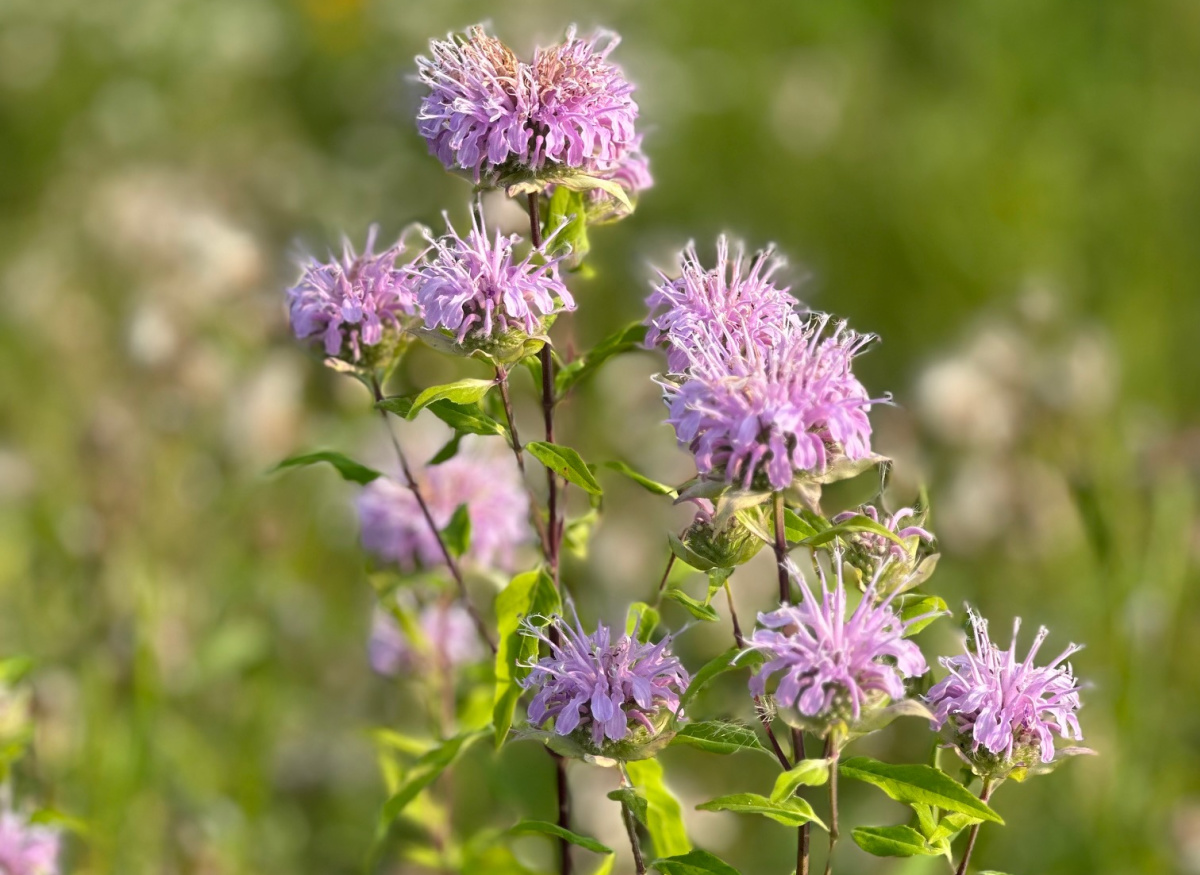
Monarda fistulosa, sometimes referred to as wild bergamot, has light lavender-pink blooms. It can be found growing in the wild in Canada and most of the US, with the exception of California and Florida.
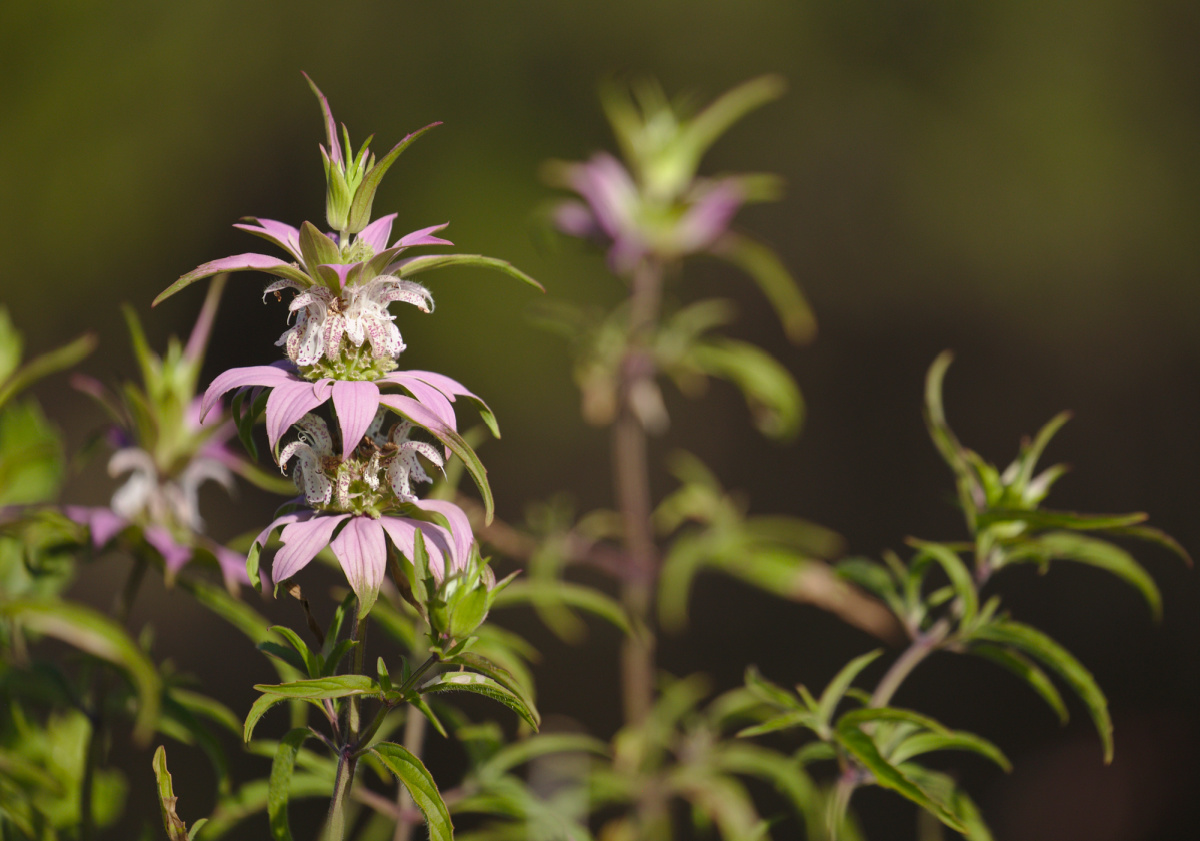
Another native, Monarda punctata, known as horsemint or spotted bee balm, has interesting flowers that are tiered or stacked along the stem. This species is native to central and eastern parts of the US and parts of Eastern Canada.
Monarda Basics
Scientific Name: Monarda Didyma
Plant Type: Perennial
Size: 2 - 4 ft by 2 - 3 ft wide
Sun Requirements: Full Sun to Partial Shade
Bloom Time: Summer (July- August)
USDA Zone Hardiness: 4 - 9
Problems: This plant can get powdery mildew with humid weather. Try to make sure it gets good air circulation. There are also some newer hybrids created to be mildew-resistant. See the "Balmy™" series.
Other: Monarda is a great wildlife plant and is loved by butterflies, bees, and other pollinators. Very showy in the garden and makes a good cut flower. The scented foliage helps deter deer and rabbits.
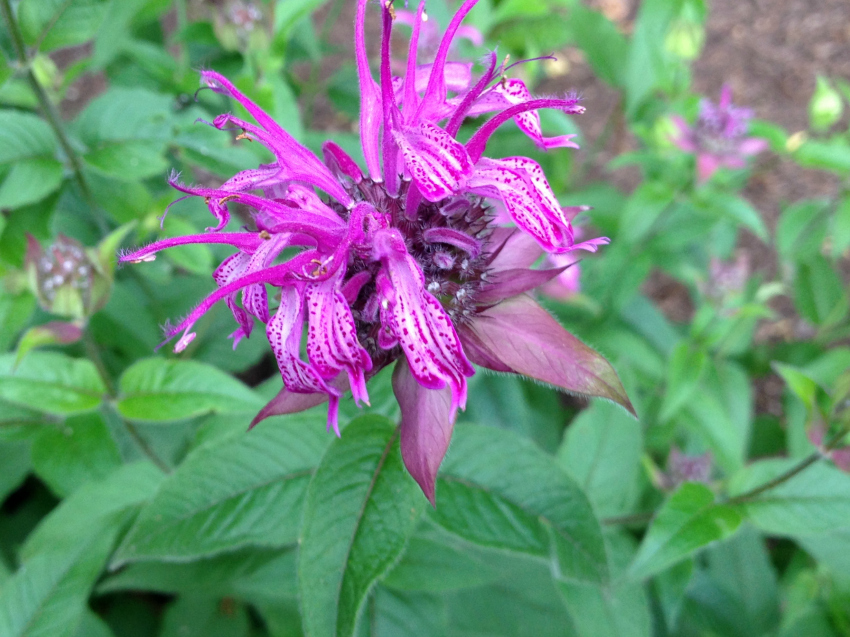
This one is a hybrid called 'Blue Stocking.' How pretty is this purple color? Other hybrids come in shades of red, pink, and white
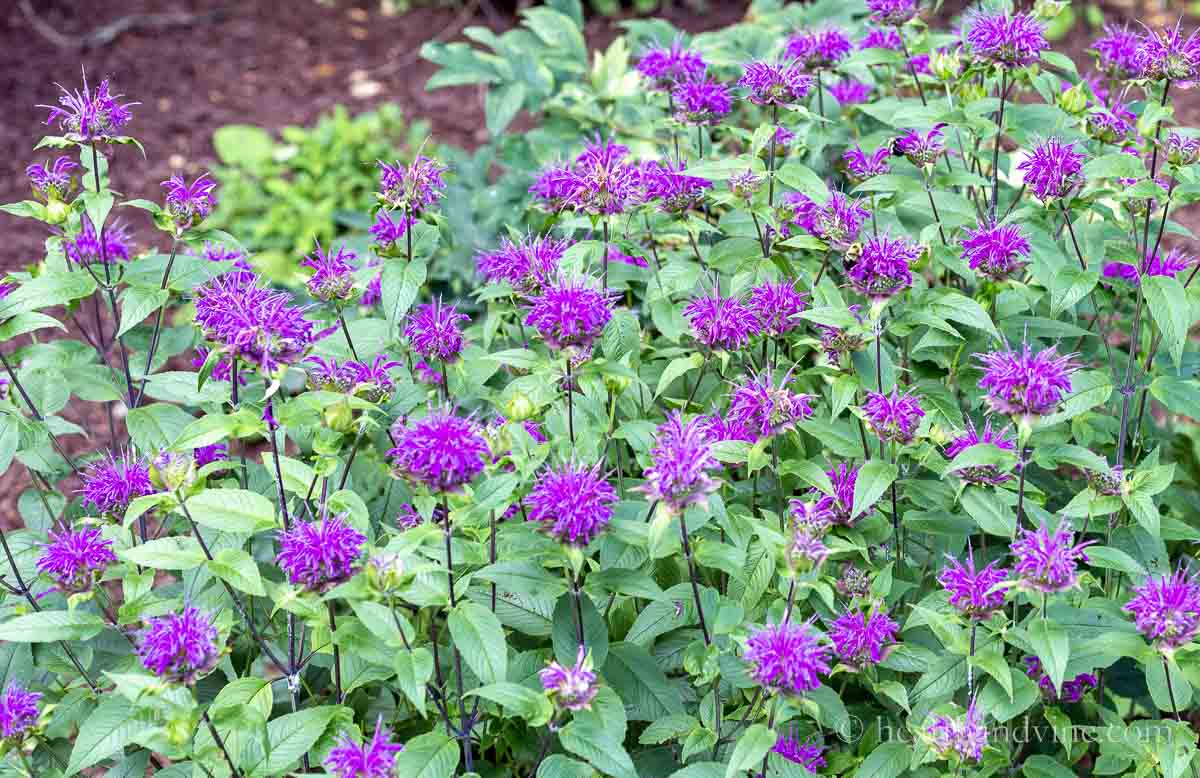
Monarda, bee balm, bergamot, whatever you want to call it, is a great choice for the garden. It offers beautiful color for most of the season, it's low maintenance, and provides a good source of nectar to pollinators.
Nina
Is Bee balm useful as a cut flower? Will it last?
Patti Estep
Nina, you can definitely use them in arrangements, and you get the added benefit of the fragrant foliage. They should last for several days, maybe a week, depending on the conditions, ie heat and humidity.