

Learn about 23 perennials for clay soil that are easy to grow and make your flower garden easy to maintain and beautiful.
The type of soil you have makes all the difference when you are creating or growing an ornamental garden. In my neck of the woods, here in Southwestern Pennsylvania, most of us have clay soil.
That often means we need to add organic material to our gardens to help aerate the soil and break up the clay. Natural mulch and compost are two great ways to help with the soil composition.
However, there are many plants that will thrive in the clay, especially once they get established.
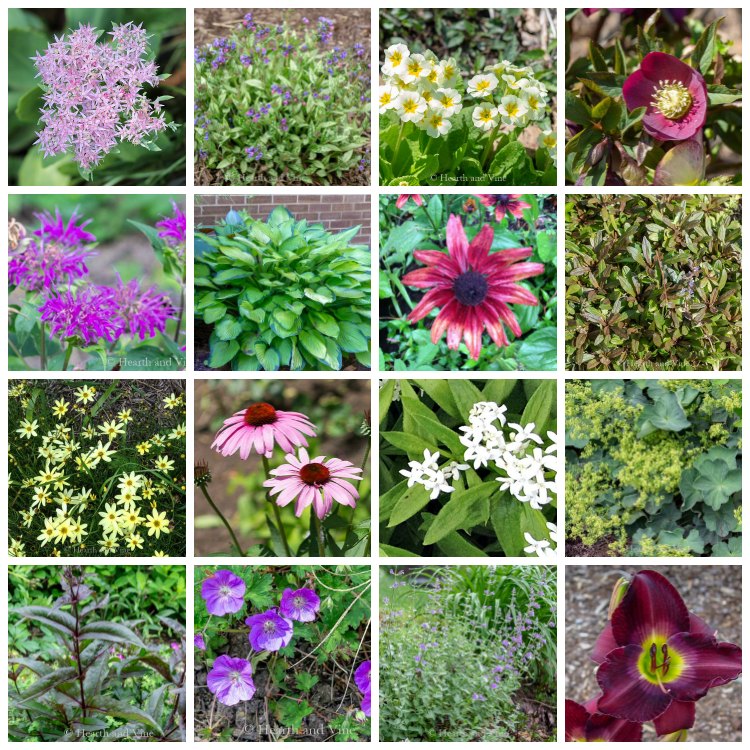
Below is a list of 23 plants that grow in my clay soil. All are perennials, which means that they should come back year after year, rather than annuals that only live for one season.
This group has grown successfully in my garden beds, some for many years. I have also indicated the hardiness zone range they grow best, bloom time, and whether the plant prefers sun or shady conditions. In addition, I've added a few noteworthy characteristics of the plant.
Most have beautiful blooms, and a few are grown for their foliage. Many come in different cultivars with a range of colors. Hopefully, they will offer some inspiration for your own garden.
Planting Tip: Always dig a hole twice as wide as the root ball when planting. Then fill in with a mix of the original soil and some compost.
Perennials that Grow in Clay Soil
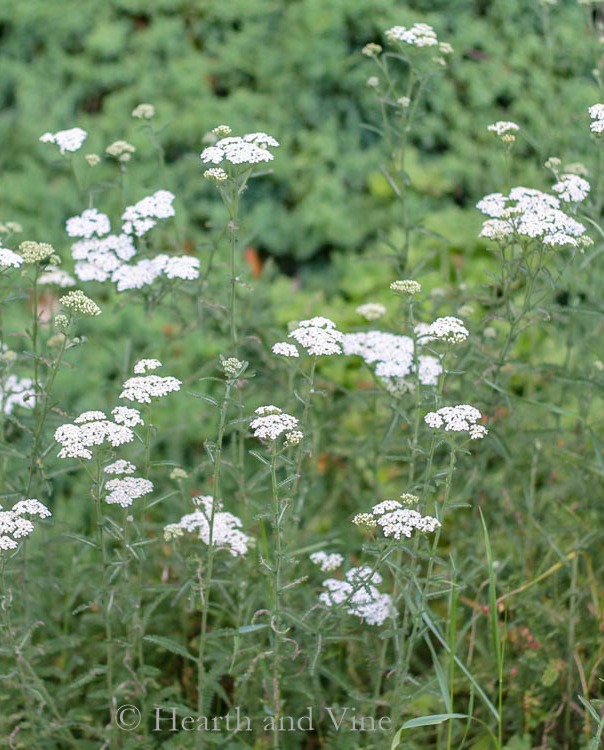
1. Achillea millefolium - Common Yarrow
- Zone - 3 to 9
- Full Sun
- Early through late summer
- Characteristics - Flowers are attractive to butterflies and other pollinators, and dry well for flower arrangements. Deer and drought tolerant.
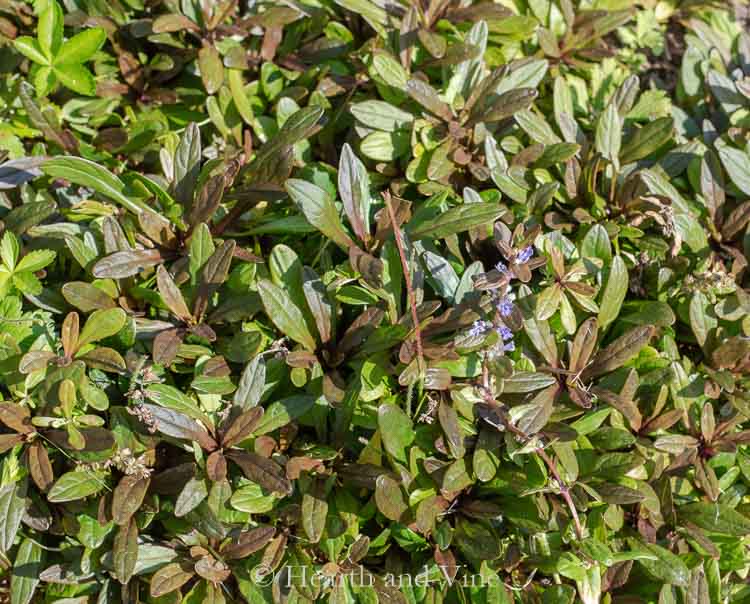
2. Ajuga ‘Chocolate Chip’ - Bugleweed
- Zone - 4 to 9
- Full Sun to Part Shade
- Late Spring - Early Summer
- Characteristics: Makes a nice mat ground cover that chokes out weeds. Deer and rabbit resistant.
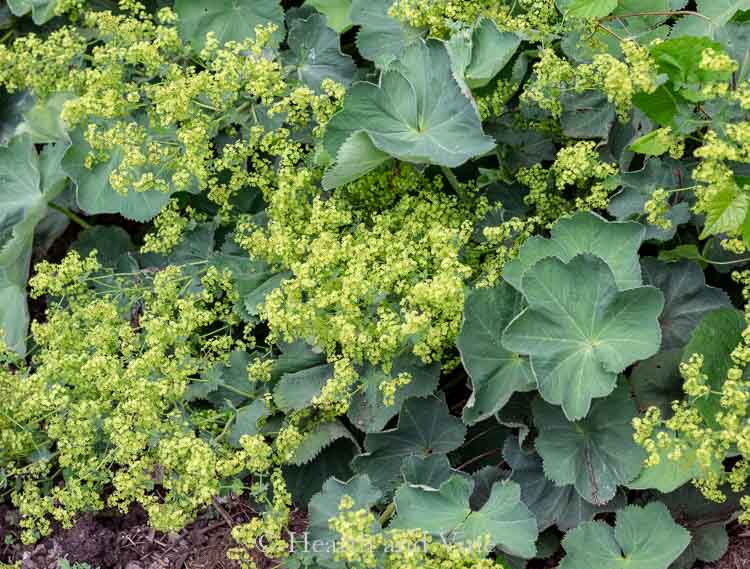
3. Alchemilla mollis - Lady's Mantle
- Zone - 3 to 8
- Full Sun to Part Shade
- Late spring through early summer
- Characteristics: Chartreuse flowers look good in flower arrangements. The scalloped leaves retain beads of water after the rain for an attractive feature. Deer and rabbit resistant.
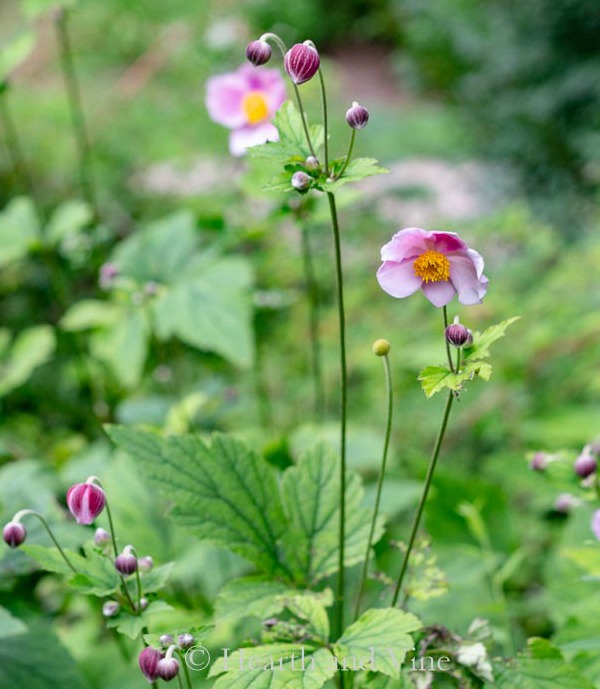
4. Anemone ‘September Charm’ - Japanese Anemone
- Zone - 3 to 8
- Full Sun to Part Shade
- Late summer through early fall
- Characteristics: Makes a pretty cut flower for arrangements. Spreads well in a semi-shady area and is deer resistant.
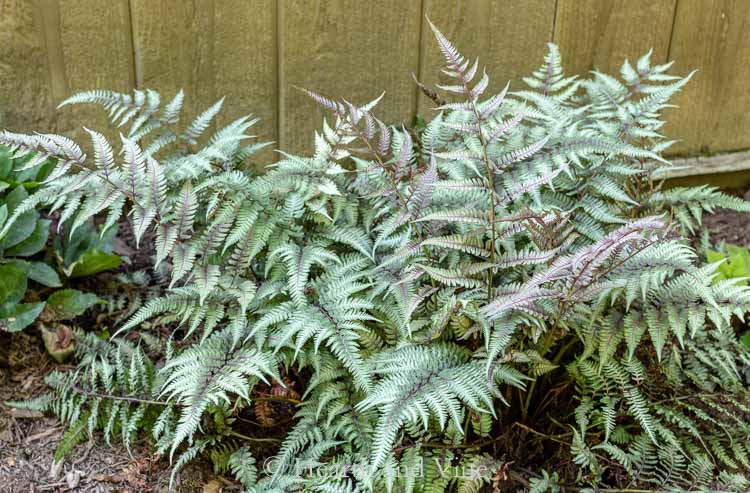
5. Athyrium niponicum - Japanese painted fern
- Zone - 3 to 8
- Part Shade to Full Shade
- Characteristics: Starts as silver fronds that turn greener as the weather warms up. Tolerates rabbits and heavy shade.
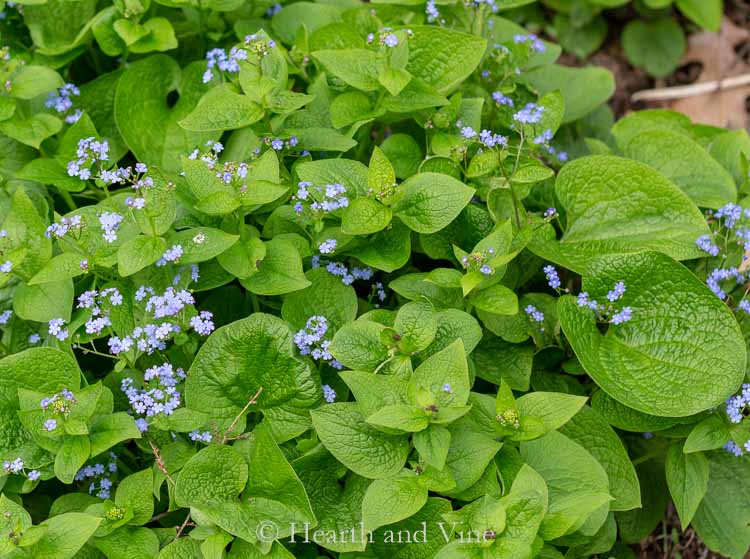
6. Brunnera macrophylla - False Forget-Me-Not
- Zone - 3 to 8
- Part Shade
- Mid to late spring
- Characteristics: Beautiful, rare shade of blue in the spring. Readily spreads and self-seeds, which some find invasive. Rabbit resistant.
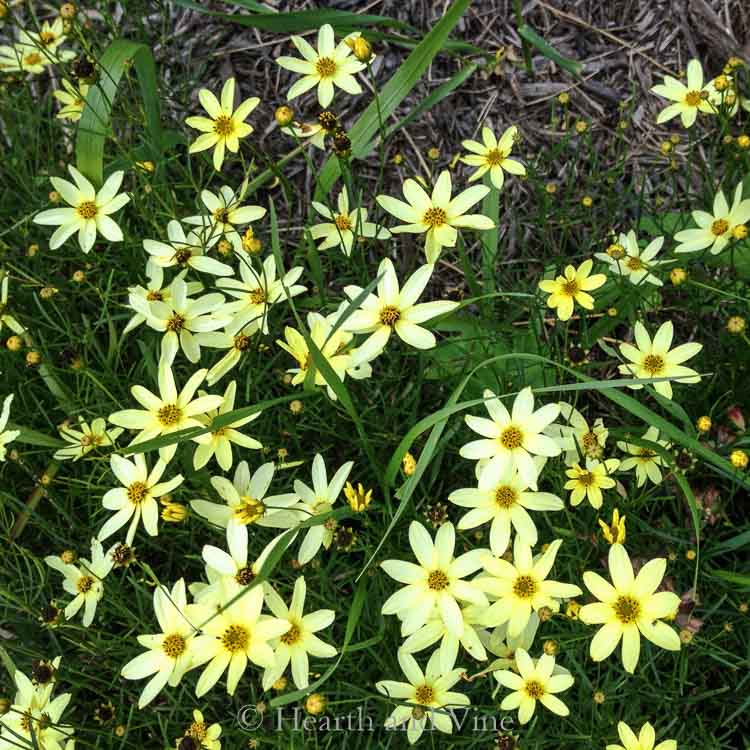
7. Coreopsis ‘Moonbeam’ - Tickseed
- Zone - 3 to 9
- Full Sun
- Early through late summer
- Characteristics: Long bloomer, received the 1992 Perennial Plant of the Year award. Attracts butterflies, resists deer, and is drought tolerant.
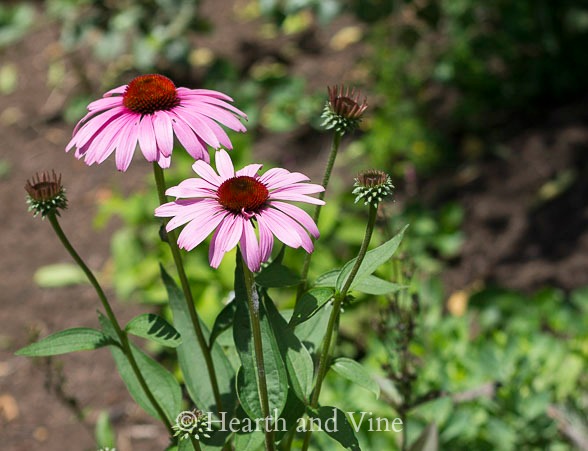
8. Echinacea purpurea - Purple Coneflower
- Zone - 3 to 8
- Full Sun to Part Shade
- Mid to late summer
- Characteristics: Great cut flower for arrangements. If left unpruned through the winter, many birds, especially finches, will eat the seeds.
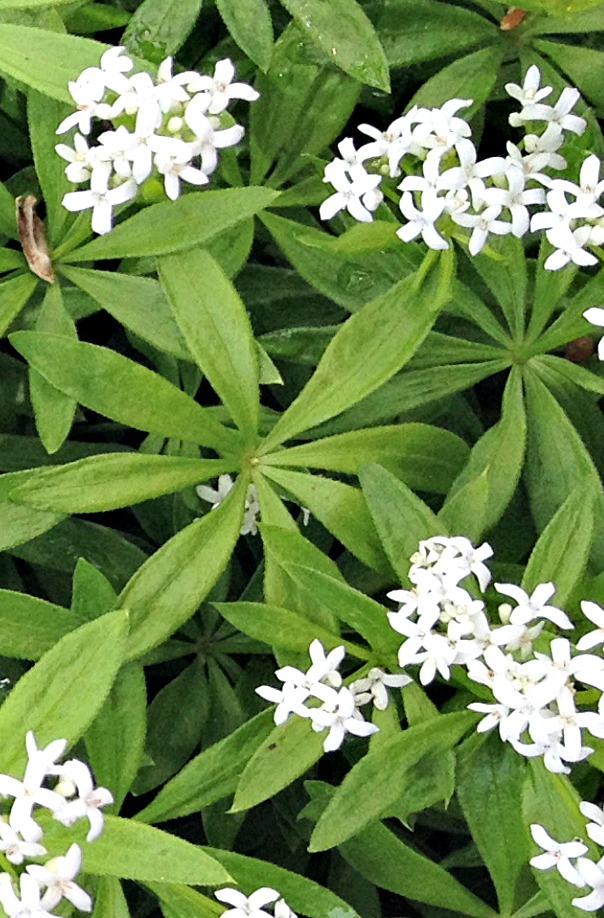
9. Galium odoratum - Sweet Woodruff
- Zone - 5 to 9
- Part Shade to Full Shade
- Late spring through early summer
- Characteristics: Aromatic. Leaves are used to make May wine.
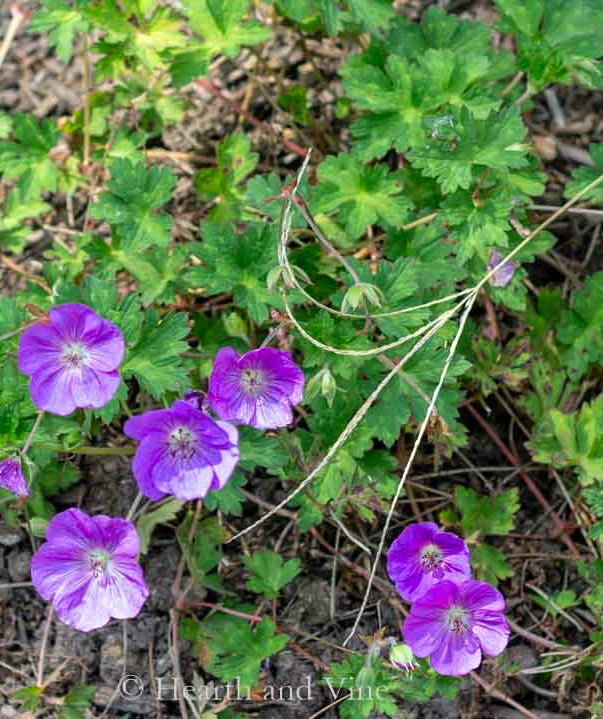
10. Geranium ‘Rozanne’ - Cranesbill - Hardy Geraniums
- Zone - 5 to 8
- Full Sun to Part Shade
- Late spring through summer
- Characteristics: Perennial of the year in 2008. Attracts butterflies and resists deer and rabbits.
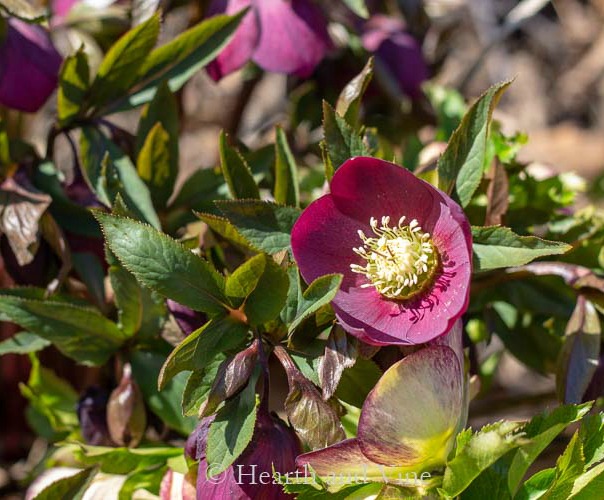
11. Helleborus orientalis - Lenten Rose
- Zone - 4 to 9
- Part Shade to Full Shade
- Late winter through spring
- Characteristics: Winter interest. Tolerates deer and heavy shade.
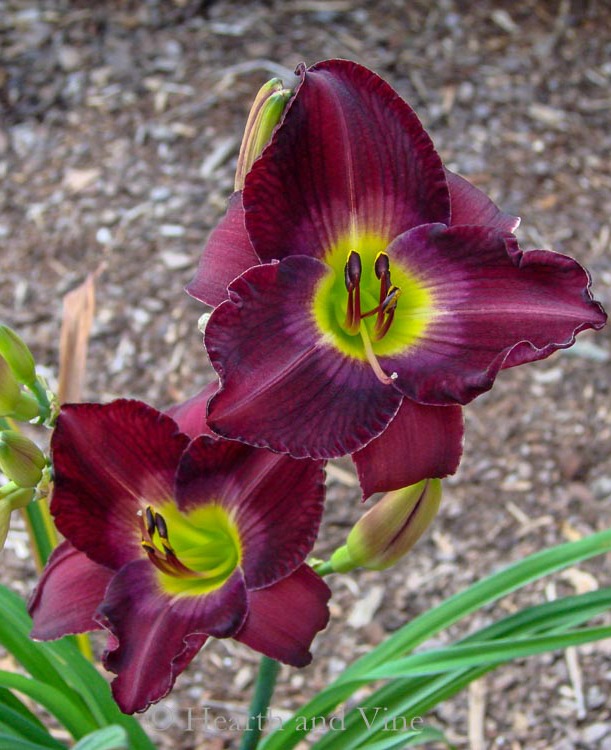
12. Hemerocallis - Daylily
- Zone - 3 to 9
- Full Sun to Part Shade
- Spring through late summer
- Characteristics: Attracts butterflies. Rabbit and drought tolerant.
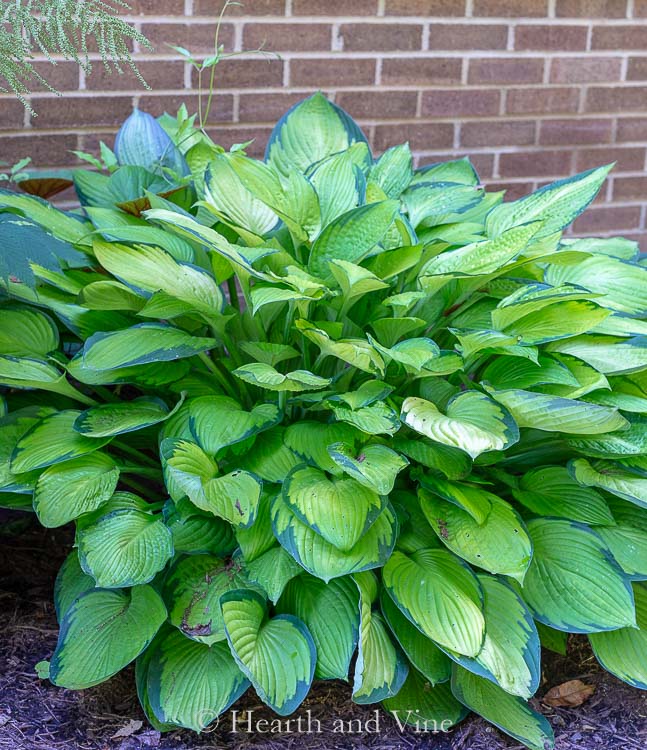
13. Hosta ‘Guacamole’ - Plantain Lily
- Zone - 3 to 8
- Part Shade to Full Shade
- Mid to late summer
- Characteristics: Attracts hummingbirds. Tolerates heavy shade.
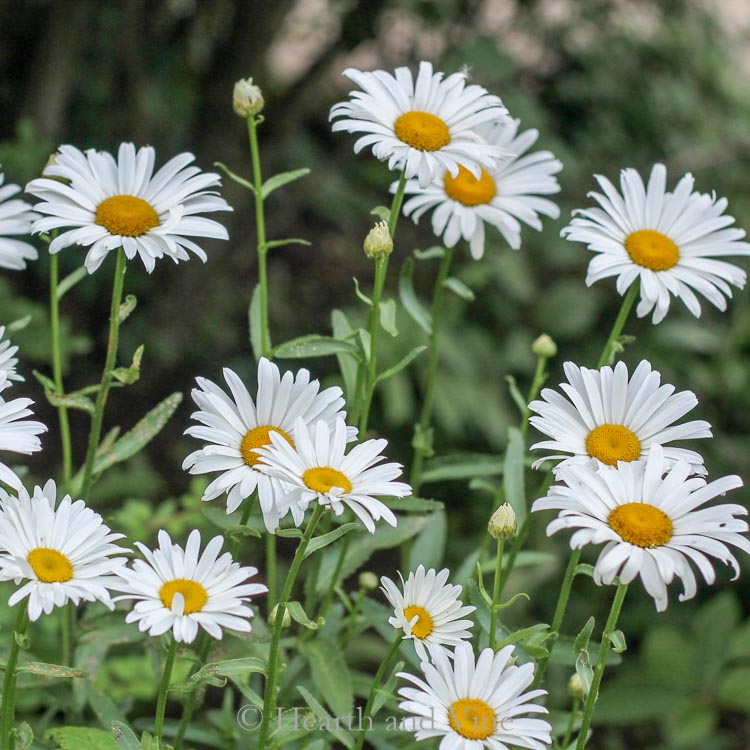
14. Leucanthemum x superbum - Shasta Daisy
- Zone - 5 to 9
- Full Sun
- Mid through late summer
- Characteristics: Good cut flower. Attracts butterflies. Deer and rabbit tolerant.
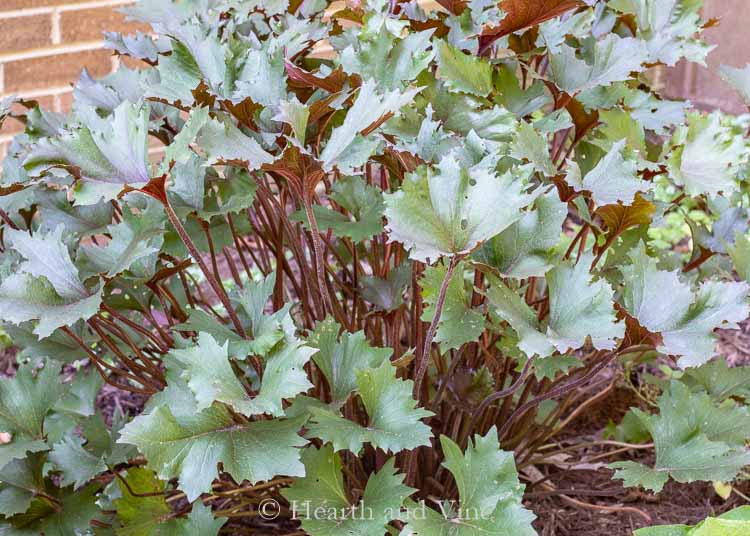
15. Ligularia ‘Britt Marie Crawford’ - Leopard Plant
- Zone - 4 to 9
- Part Shade to Full Shade
- Mid through late summer
- Characteristics: Showy foliage that tolerates heavy shade.
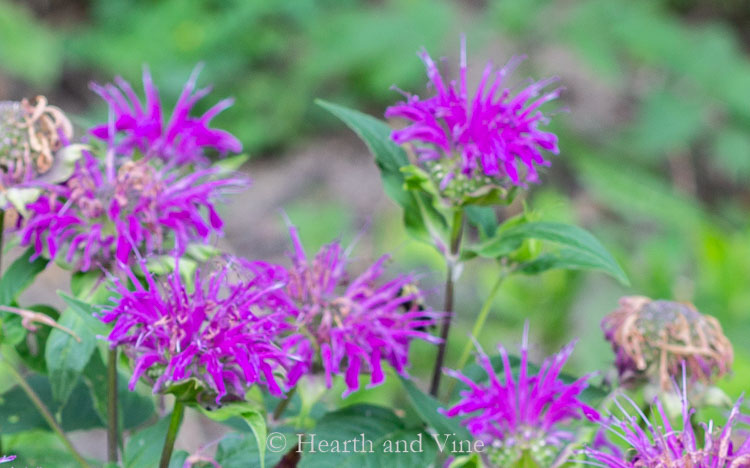
16. Monarda ‘Blue Stocking’ - Beebalm
- Zone - 4 to 8
- Full Sun to Part Shade
- Mid summer through early fall
- Characteristics: Attracts bees, butterflies, and hummingbirds. Flowers, stems, and leaves are aromatic. Deer tolerant.
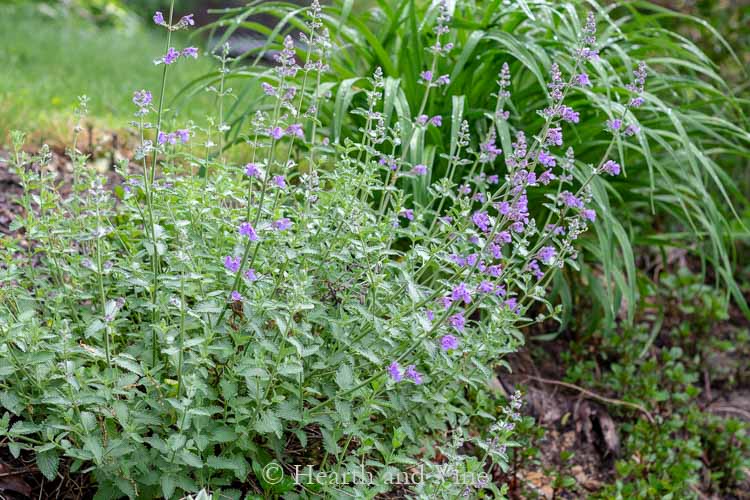
17. Nepeta ‘Walker’s Low’ - Catmint
- Zone - 4 to 8
- Full Sun to Part Shade
- Late spring into fall
- Characteristics: Long blooming, fragrant foliage. Attracts butterflies. Rabbit, deer, and drought tolerant. Perennial of the year in 2007.
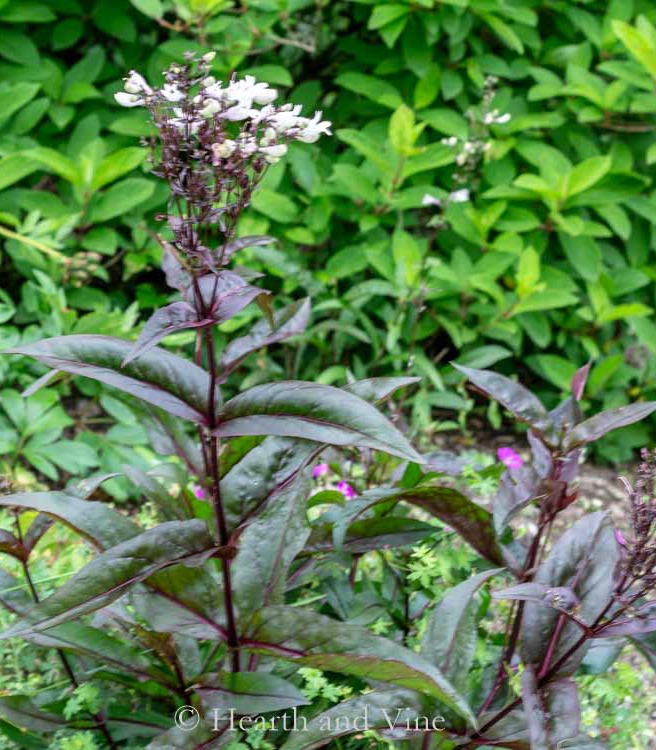
18. Penstemon digitalis 'Husker Red' - Beardtongue
- Zone - 4 to 8
- Full Sun to Part Shade
- Mid spring through early summer
- Characteristics: Named perennial plant of the year in 1996. Attracts hummingbirds and butterflies. Deer and drought tolerant.
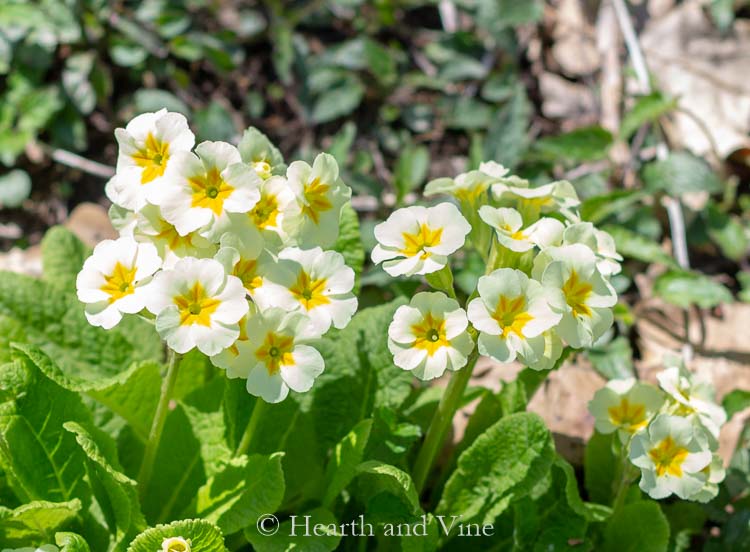
19. Primula vulgaris - Primrose
- Zone - 4 to 8
- Part Shade
- Early through mid spring
- Characteristics: One of the earliest to bloom with showy fragrant flowers.
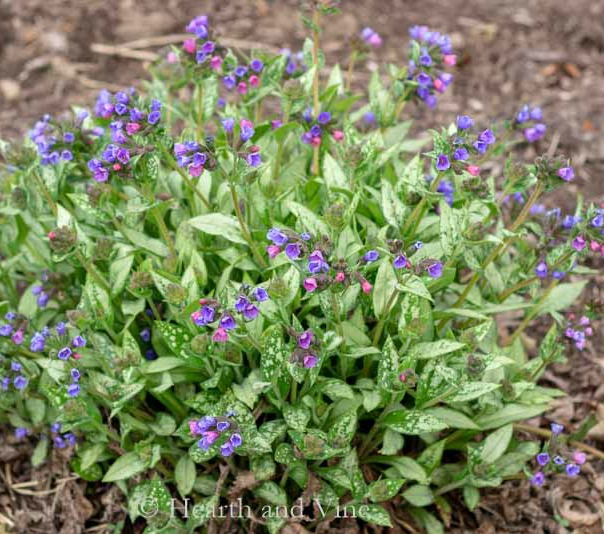
20. Pulmonaria ‘Raspberry Splash’ - Lungwort
- Zone - 4 to 9
- Part Shade to Full Shade
- Early through mid spring
- Characteristics: Can be used as a ground cover. Tolerates deer and heavy shade.
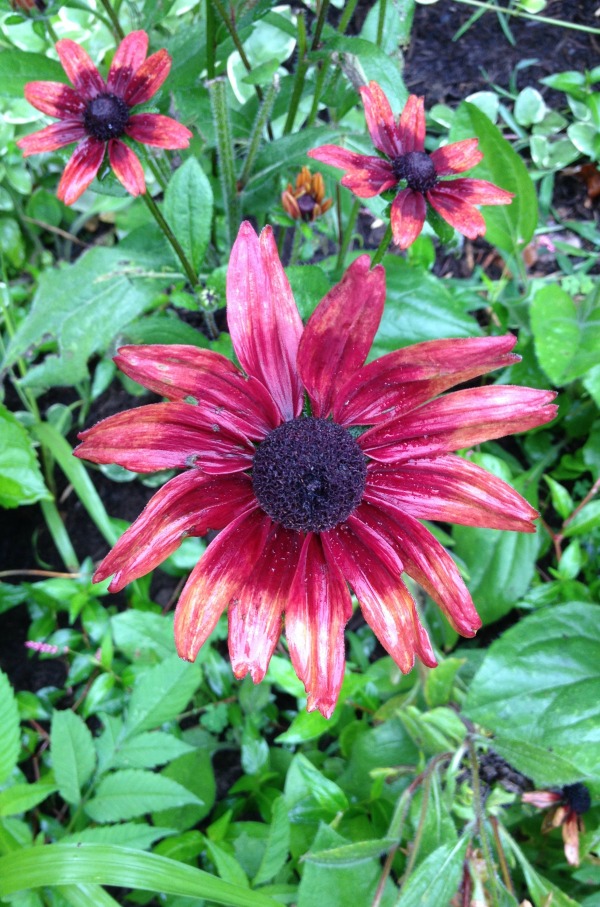
21. Rudbeckia hirta ‘Cherry Brandy’ - Black Eyed Susan
- Zone - 5 to 8
- Full Sun
- Late spring through summer
- Characteristics: This one is a hybrid. However, the information is true for all Black Eyed Susans. They have a long blooming period. Great as cut flowers. Attracts butterflies and other pollinators. Drought and deer resistant.
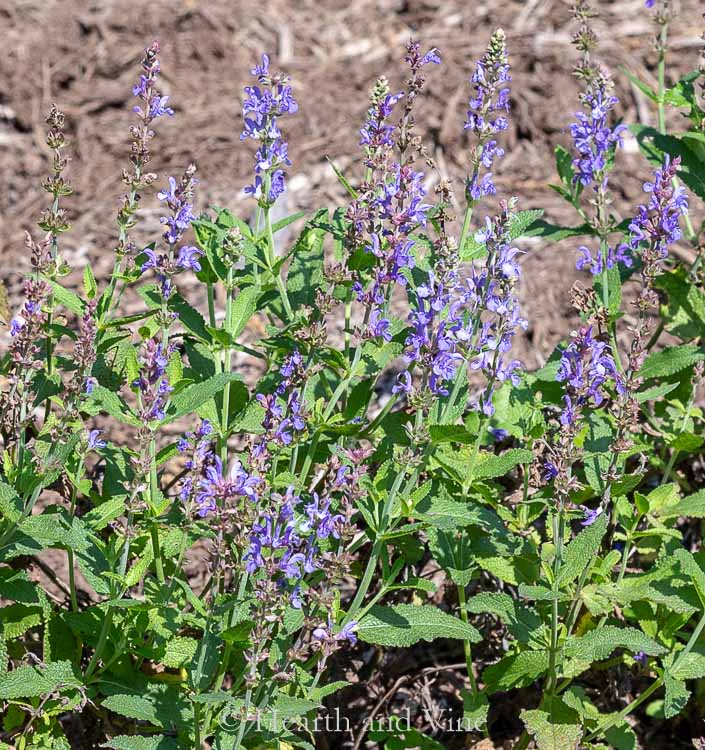
22. Salvia sylvestris 'May Night' - Perennial Salvia
- Zone - 4 to 8
- Full Sun
- Late spring through summer
- Characteristics: Chosen as the Perennial Plant Association Plant of the Year in 1997. Attracts hummingbirds. Deer and drought tolerant. Leaves are fragrant. Makes a good cut flower for arrangements.
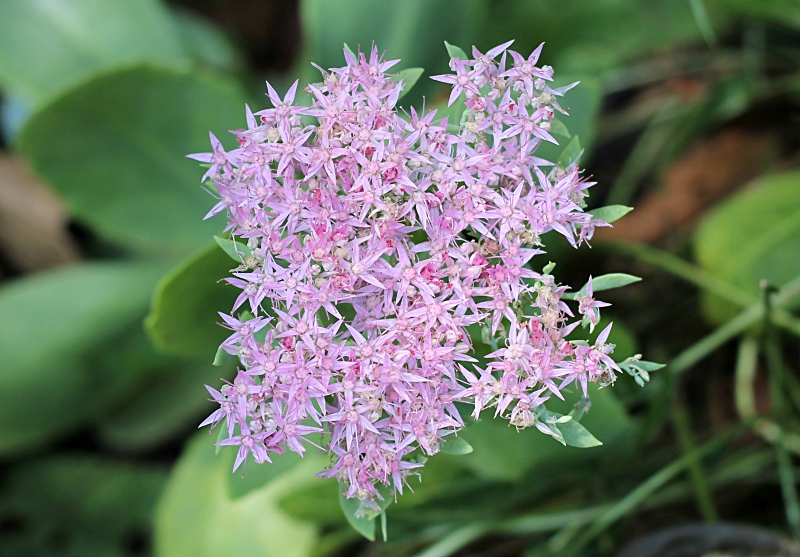
23. Sedum 'Brilliant' - Stonecrop
- Zone - 3 to 9
- Full Sun
- Mid summer through fall
- Characteristics: Flowers are good, cut, and dried for arrangements. Attracts butterflies and other pollinators. Drought tolerant.
That's a pretty big list, right? There are actually more perennials that fit into this category. Asters, ornamental grasses, and coral bells can also be planted in clay soil. So, as you can see, there are plenty of perennials for clay soil to choose from, so you can easily create a beautiful flower garden of your own.
Barbara Chapman
Patti, this list is huge and wonderful!!! I saw a few of these plants down at the Lady Bird Johnson Wildflower Center but it's nice to see even more. Will be trying some plants soon. 🙂
Thank you for the ideas,
Barb 🙂
Lori Nell
Helpful post! Thank you for the research.
Meegan
You have the most informative ideas and tips for garden flowers. Thanks for sharing.
This crazy, intense desert weather and soil can make it difficult to enjoy gardening.
Thanks for your ideas.
Roxanne
This is such a great post, Patti. I love Shasta Daisies but I've never had any luck growing them! Pinning this one for future reference!
Carole West
Clay soil here and there are days when I've had enough of it. The area we're looking to move in the future has sandy soil and I'm sure that will come with a list of obstacles as well.
Great list of plants and my grandma had forget me knots in her yard. She liked them because they covered a nice space and required little care. I personally love their foilage and the surprise of dainty blooms. When I get settled I hope to have a ground garden area where I can load it up with an assortment of blooming perennials. Have to check out that Japanese Anemome, it's beautiful.
Patti Estep
Thank Carole. The truth is many of these plants will grow well in just about any garden. You may have an issue with the heat the further south you go. However, most do well up to zone 8 which is pretty warm.